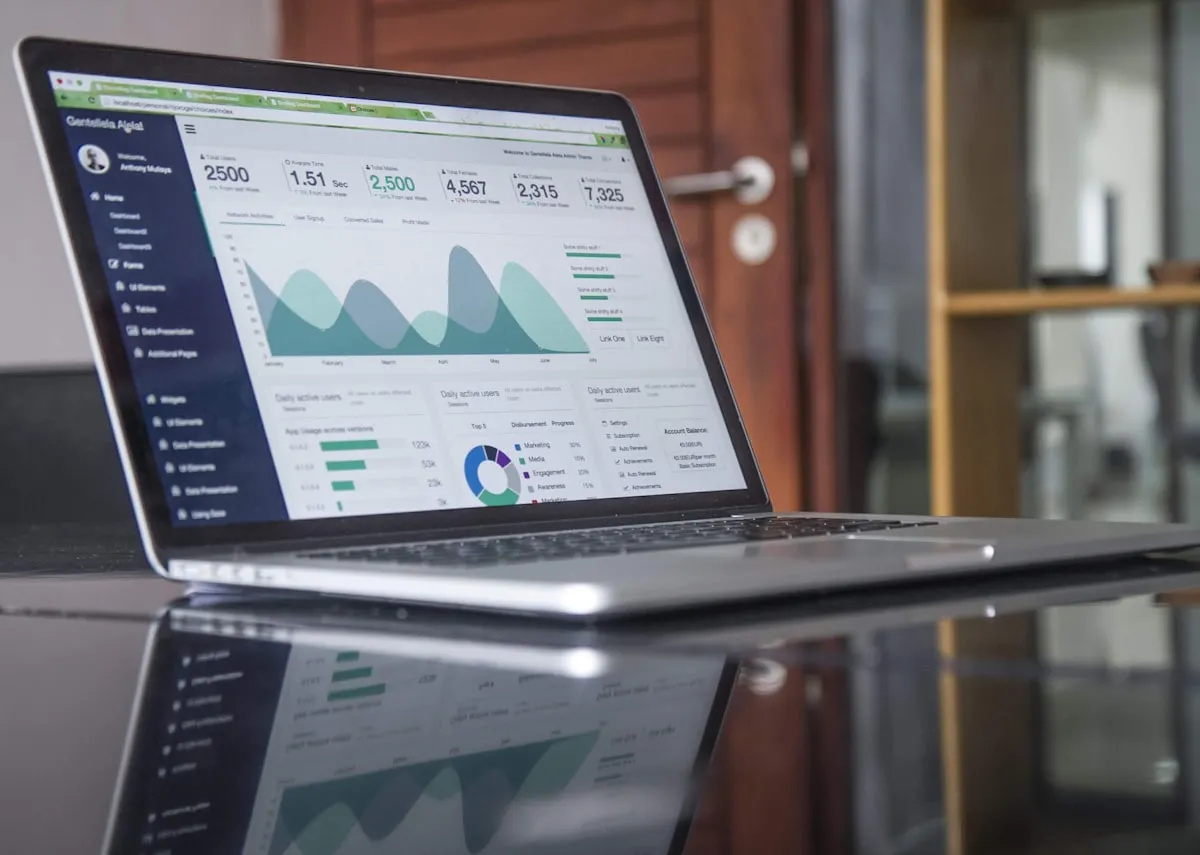
Three years ago, implementing a POS system meant significant upfront investment in hardware, servers, and software licenses. In 2016, cloud technology is changing everything. Indonesian businesses of all sizes are discovering that enterprise-grade POS functionality is now available for the cost of a monthly subscription.
The Cloud Advantage
Dramatically Lower Costs: Traditional POS required Rp 20-40 million in upfront investment. Cloud POS systems start at Rp 200,000-500,000 per month with no hardware beyond a tablet or computer you likely already own.
Access from Anywhere: Business owners no longer need to be physically present to monitor sales, check inventory, or generate reports. A smartphone and internet connection is all it takes.
Automatic Updates: No more paying for software upgrades or dealing with outdated systems. Cloud POS providers push updates automatically, ensuring you always have the latest features and security patches.
Scalability on Demand: Opening a new location? Just add another subscription. Seasonal business? Scale up during peak periods and down during slow months.
Real-World Impact in Indonesia
The timing couldn't be better for Indonesian businesses:
E-Commerce Integration: With Tokopedia, Bukalapak, and Shopee growing rapidly, cloud POS systems integrate offline and online inventory in real-time. Sell in-store or online—it's all tracked in one system.
Mobile-First Design: Many Indonesians access the internet primarily through smartphones. Cloud POS systems built for mobile mean business owners can manage their operations from anywhere.
Multi-Currency Support: For businesses serving tourists or importing products, cloud systems handle multiple currencies seamlessly.
Franchise Friendly: Indonesian franchise businesses are booming. Cloud POS makes it easy to maintain brand consistency and operational standards across dozens or hundreds of locations.
Case Study: From Hardware Hell to Cloud Heaven
A mid-sized retail chain we worked with had 12 locations running traditional POS. Their challenges:
Each location required a dedicated server room
Software updates required technicians to visit each store
System failures meant stores reverted to manual operations
Consolidated reporting required overnight batch processing
After migrating to cloud POS:
Eliminated 12 server rooms, saving Rp 15 million monthly in maintenance and electricity
Updates deployed instantly across all locations
99.9% uptime with automatic failover
Real-time reporting accessible from the owner's smartphone
ROI achieved in 8 months, with ongoing operational savings.
Overcoming Cloud Concerns
"What About Internet Outages?" Modern cloud POS systems have offline modes. Sales continue locally and sync automatically when connection is restored.
"Is Our Data Safe?" Reputable cloud providers invest millions in security—far more than small businesses could spend on local servers. Features include encryption, automatic backups, and compliance with international security standards.
"Will It Work with Our Current Setup?" Most cloud POS systems integrate with existing hardware (barcode scanners, receipt printers, cash drawers) and software (accounting systems, e-commerce platforms).
The Competitive Advantage
Businesses adopting cloud POS in 2016 gain advantages beyond cost savings:
Better Customer Experience: Faster checkout, loyalty programs, email receipts, and personalized promotions become standard features.
Smarter Inventory Management: Automatic reorder alerts, supplier management, and trend analysis help optimize stock levels.
Employee Management: Time tracking, commission calculations, and performance metrics help manage and motivate teams.
Financial Intelligence: Integration with accounting software means accurate, real-time financial reporting for better decision-making.
Looking Ahead
Cloud POS is the foundation for even more exciting developments:
Customer Analytics: Understanding shopping patterns and preferences
Predictive Inventory: Using data to forecast demand
Omnichannel Commerce: Seamless integration of physical and digital retail
AI-Powered Insights: Machine learning analyzing sales data to suggest business improvements
The Window of Opportunity
Early adopters of cloud POS are building competitive advantages that will compound over time. They're collecting valuable data, optimizing operations, and creating customer experiences that traditional retailers can't match.
The question isn't whether to move to the cloud—it's how quickly you can make the transition.
Getting Started
For Indonesian businesses considering cloud POS:
Assess Your Needs: What problems are you trying to solve?
Trial Before Committing: Most providers offer free trials
Plan the Migration: How will you transition from your current system?
Train Your Team: Ensure staff are comfortable with the new tools
Measure Results: Define KPIs to track improvement
Conclusion
Cloud POS represents the democratization of retail technology. Features that were only available to large corporations are now accessible to family-owned warung and toko.
The businesses thriving in 2016 and beyond won't be those with the most capital—they'll be those who leverage technology to operate smarter, serve customers better, and make data-driven decisions.
The cloud revolution is here. The only question is whether you'll lead it or follow it.
Tags
Ready to Transform Your Business?
Get expert guidance on implementing AI solutions in your organization.
Contact