AI-Powered E-commerce: Boosting Sales with Intelligent Recommendations
Discover how AI-driven product recommendations and personalization can increase e-commerce sales by up to 35% while improving customer satisfaction.
How AI and software projects play out across Indonesian industries: the problem, the approach and the results

Discover how AI-driven product recommendations and personalization can increase e-commerce sales by up to 35% while improving customer satisfaction.

How a Jakarta electronics retailer implemented an AI chatbot that handles inquiries 24/7, cuts support costs by 30%, and lifts sales conversion by 42%.

Discover how AI-driven product recommendations and personalization can increase e-commerce sales by up to 35% while improving customer satisfaction.
Low conversion rates and poor customer engagement
AI recommendation engine and personalization system

How a Jakarta electronics retailer implemented an AI chatbot that handles inquiries 24/7, cuts support costs by 30%, and lifts sales conversion by 42%.
Customer service team of 18 agents struggling to handle 800+ daily inquiries across WhatsApp, Instagram, website chat, and email. Average response time of 3.5 hours, inconsistent product knowledge, and high customer service costs.
Implemented GPT-4 powered AI chatbot integrated across all customer channels, trained on product catalog, FAQs, and company policies. Handles routine inquiries autonomously, seamlessly escalates complex issues to human agents.

How a Jakarta fashion boutique pivoted to omnichannel in 6 weeks during COVID-19, achieving 45% online revenue contribution.
The COVID-19 restrictions of March and April 2020 took store revenue to zero within weeks. Three physical locations with zero e-commerce presence and no delivery infrastructure.
Rapid implementation of WhatsApp commerce, Instagram Shopping, marketplace presence, same-day delivery, cloud POS inventory sync and a Shopify e-commerce site, all within 6 weeks.

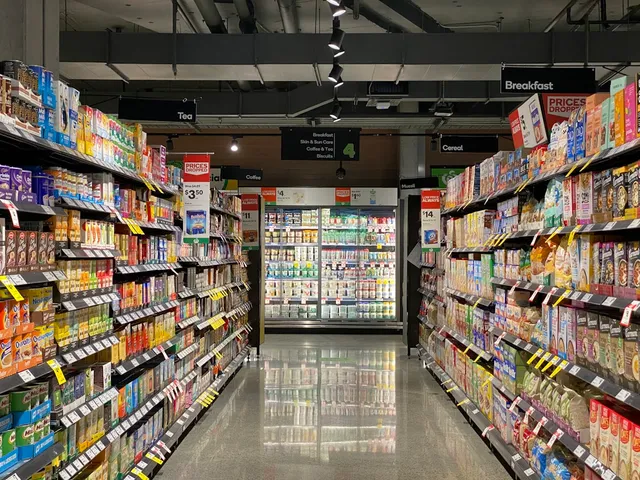
How a 5-location minimarket chain in Jakarta reduced inventory losses by 40% and increased profitability through modern POS implementation.
Manual inventory tracking led to frequent stockouts, unknown shrinkage rates, and inability to identify best-selling products. End-of-day reconciliation took 2-3 hours per location.
Implemented cloud-based POS system with real-time inventory tracking, automated reordering, and centralized reporting across all 5 locations.

How a 7-location pharmacy chain in Surabaya used inventory optimization and expiry tracking to cut expired stock by 94% and improve cash flow.
Managing 4,200+ SKUs across 7 locations with strict expiry requirements. Monthly expired stock write-offs of Rp 15-18 million, frequent stockouts of essential medications, and Rp 2.8 billion tied up in excess inventory.
Implemented specialized pharmacy inventory management system with expiry tracking, automated FEFO (First Expired, First Out) dispensing, demand-based ordering, and inter-location stock balancing.

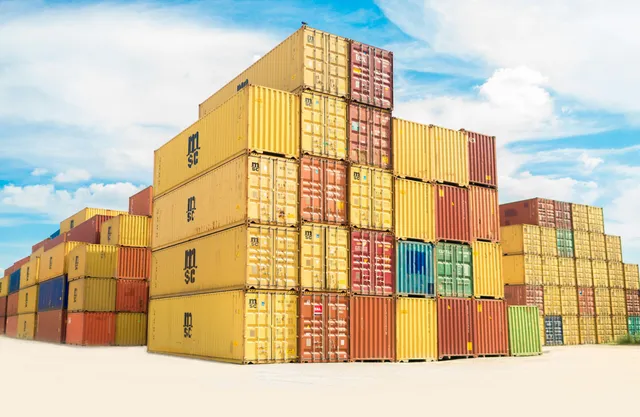
How an Indonesian piping manufacturer used 3D container loading simulation to cut logistics costs by 38% and speed up quotes.
No visual way to plan container loads led to constant mis-sizing, split shipments, and Rp 0.9-1.3 billion a year in avoidable logistics costs.
3D container loading simulator that visualizes optimal pipe placement, compares container types, and provides clear loading instructions.

How a 5-location Jakarta restaurant chain used data analytics to optimize operations and boost profitability by 33%.
Operating 5 locations with inconsistent profitability, high food waste (18%), inefficient labor scheduling, and no visibility into which menu items were profitable vs. which were losing money.
Implemented comprehensive data analytics using POS data, recipe costing, labor tracking, and customer behavior analysis to optimize every aspect of operations.
No use cases found